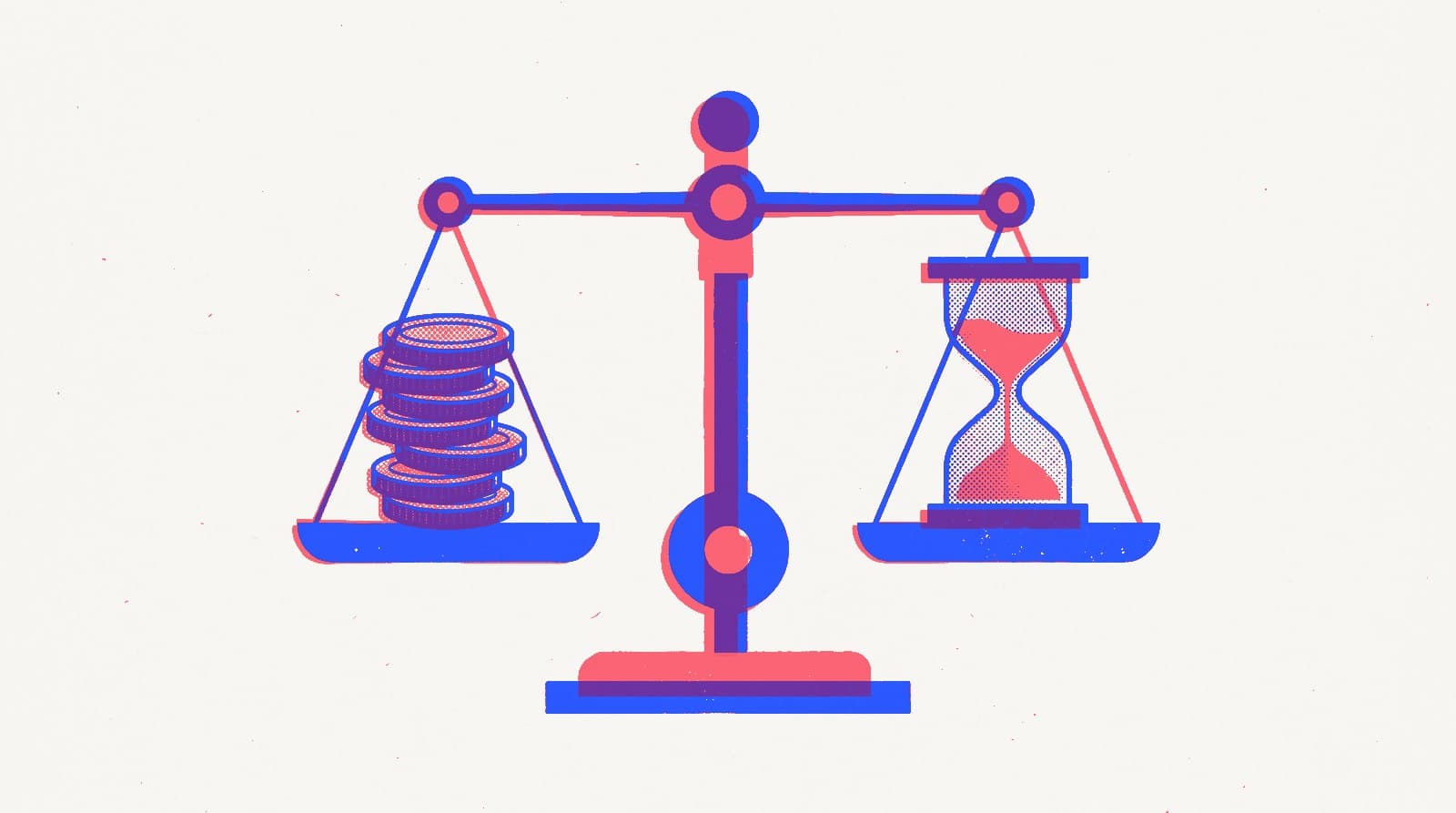
It always starts small. "While you're in there, could you add a blog?" "Can we see one more version of the logo?" "Quick one: the homepage needs a booking form."
Each request sounds reasonable on its own. Together, they turn a good project into one you're quietly paying for. That's scope creep, and the fix is saying what things cost, kindly, every time.
What scope creep is, and when an extra is just a favor
Scope creep is when a project grows past what you agreed to, without the price or the timeline growing with it.
Not every extra is a problem. Fixing a typo your client spots at launch is just good service. The trouble is the extras that take real hours and never get talked about. A handy test: if you'd quote it for a brand new client, it's a change.
Why it happens
It usually comes down to clients not knowing what's included. If the quote just says "website," every new idea feels like part of the website. The clearer the scope, the easier every later conversation gets.
Stop it before it starts
- List what's included, line by line. Pages, features, rounds of revisions, and what you need from them.
- Say what isn't included. Copywriting, photography, ongoing updates, whatever usually comes up.
- Pick a number of revision rounds. There's no standard, so choose one you're comfortable with and write it down.
- Put the same scope in the contract, along with how changes get handled.
For the actual contract wording, talk to a lawyer. This post is about the conversation.
When a new request shows up
- Pause before you say yes. "Let me check that against what we planned" buys you time without sounding like a no.
- Compare it to the scope. If it's in the quote, great, do it. If it isn't, it's a change.
- Name the cost and the timing. What it adds, what it costs and how it moves the schedule.
- Get a yes in writing before you start. For a small change, a reply email that says yes gives you a record. For bigger changes, a short signed addendum is clearer.
- Bill it separately. Keep the original price intact, so the project you quoted still looks like the project you quoted.
Sample wording you can borrow
These are examples. Change them until they sound like you.
When it's a real change:
Love that idea. It's not part of what we scoped, so here's what it would add: [the work]. It's [price], and it would move launch by about [time]. Want me to send it over for a yes?
When the timing's wrong:
Let's get the site live first and pick that up right after launch. I'll add it to the list so it doesn't get lost.
When you decide it's a favor:
This one's small, so I'll fold it in at no charge. Anything else like it, I'll quote separately so nothing sneaks up on either of us.
Write the change down
Whether it's an email or a signed addendum, it should cover three things:
- What's being added, or swapped out
- What it costs
- How the schedule changes
Short and clear beats long and formal. A record you can both find later is worth more than a great phone call nobody remembers.
When to say yes for free
Sometimes the kind move and the smart move are the same: a tiny tweak, a long-time client, a request that makes the project better and costs you twenty minutes. Say yes. Just say it out loud ("this one's on me") and write that down too, so a favor doesn't quietly become the new normal.